
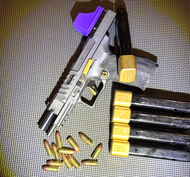
Dry Fire vs. Live Fire
Jun 28th 2026
Which Training Method Makes You a Better Shooter?
Every shooter wants to improve accuracy, speed, and confidence with their firearm. But one question continues to spark debate among beginners and experienced shooters alike: Is dry fire training better than live fire training?
The truth is that both methods play an essential role in developing shooting skills. Dry fire builds the fundamentals through repetition, while live fire validates those skills under recoil and real shooting conditions.
At JV-Training Accessories, we believe the most effective training program combines both. With the right dry fire training accessories, you can maximize your range time, reduce ammunition costs, and build better habits between trips to the range.
What Is Dry Fire Training?
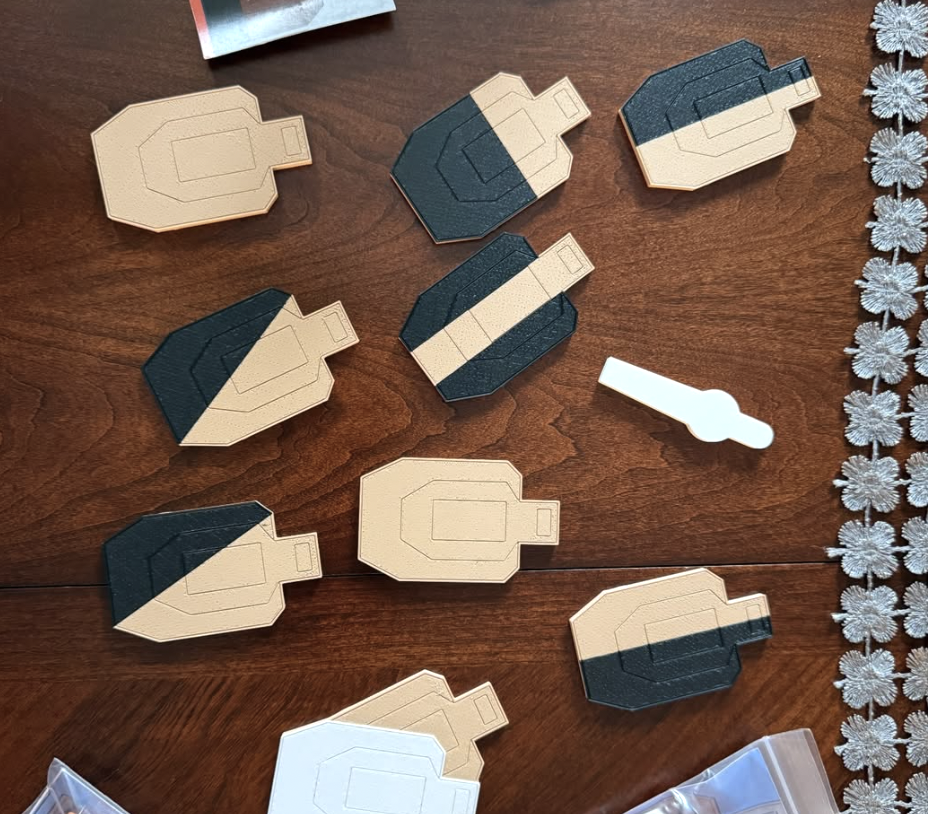
Dry fire training is the practice of handling and operating your firearm without live ammunition. Instead of firing live rounds, shooters practice skills such as:
- Drawing from the holster
- Sight alignment
- Sight picture
- Trigger control
- Reloads
- Target transitions
- Movement
- Malfunction drills
- Presentation from low or high ready
Dry fire allows shooters to perform hundreds of quality repetitions in the comfort of their own home while focusing entirely on technique.
When performed safely with an unloaded firearm and a designated training area, dry fire is one of the most efficient ways to improve shooting performance.
What Is Live Fire Training?
Live fire training takes place on the range using live ammunition.
This type of training allows shooters to experience:
- Recoil management
- Muzzle rise
- Shot accountability
- Follow-up shots
- Realistic target feedback
- Noise and pressure
- Stress under live conditions
While live fire is essential for confirming your skills, it is also significantly more expensive due to ammunition costs, range fees, and travel time.
Benefits of Dry Fire Training
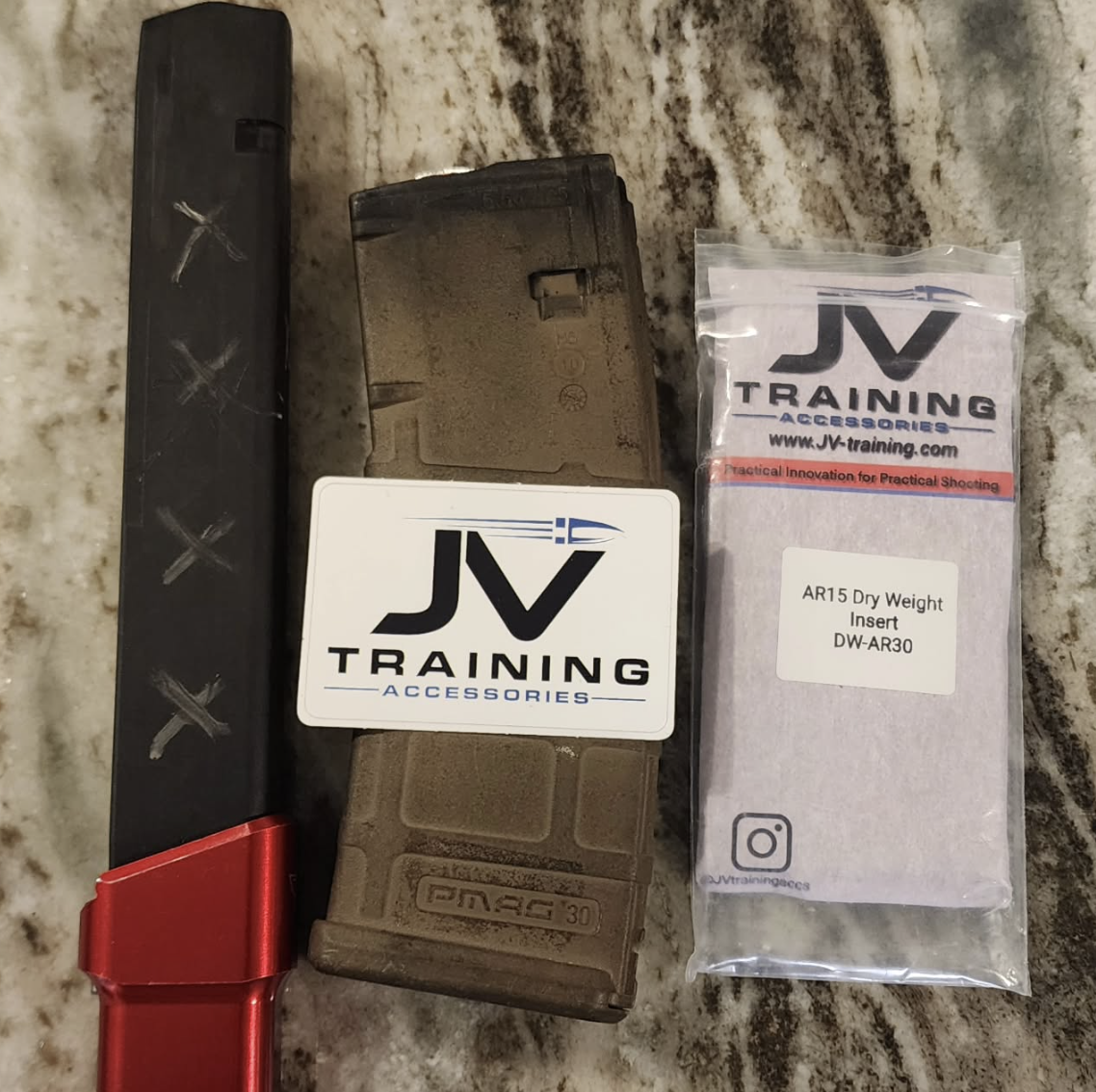
Build Muscle Memory Through Repetition
The biggest advantage of dry fire is repetition.
Without worrying about recoil or ammunition costs, shooters can perform hundreds of perfect presentations, trigger presses, and reloads in a single session.
These repetitions help build consistent movement patterns that transfer directly to live fire.
Save Money
A single hour of dry fire costs virtually nothing. Compared to purchasing ammunition and paying for range time, dry fire allows shooters to train far more frequently while staying within budget.
Many competitive shooters spend significantly more time dry firing than shooting live rounds.
Improve Trigger Control
One of the most common shooting errors is disturbing the sights during the trigger press.
Dry fire lets you watch the sights throughout the entire trigger pull, helping eliminate unnecessary movement before bad habits develop.
Practice Anytime
Weather, ammunition shortages, and busy schedules can limit range visits.
Dry fire allows you to maintain your skills almost anywhere with minimal equipment.
Even 10 to 15 minutes several times a week can lead to noticeable improvements.
Benefits of Live Fire Training
Learn Recoil Management
No amount of dry fire can fully replicate recoil.
Live fire teaches shooters how to:
- Control muzzle movement
- Recover the sights quickly
- Fire accurate follow-up shots
- Maintain grip under recoil
These are critical skills for defensive shooting, competition, and hunting.
Confirm Your Training
Dry fire develops technique.
Live fire confirms whether those techniques actually produce accurate hits.
It also reveals issues that may not appear during dry practice, such as grip problems or anticipation of recoil.
Build Confidence
Successfully performing under live fire conditions increases confidence and reinforces proper shooting habits.
It also prepares shooters for the stress and distractions that come with real-world shooting environments.
Dry Fire vs. Live Fire: Which Is Better?
The answer isn't one or the other.
The best shooters use both.
Dry fire develops the mechanics.
Live fire verifies the results.
Think of dry fire as practicing free throws in basketball, while live fire is playing the actual game.
One builds the skill.
The other tests it.
Skills Best Learned Through Dry Fire
Dry fire is ideal for practicing:
- Trigger control
- Sight alignment
- Draw stroke
- Reloads
- Holster presentation
- Grip consistency
- Movement
- Target transitions
- Position changes
- Weapon manipulation
Because these skills don't require recoil, they can be practiced safely and repeatedly without consuming ammunition.
Skills That Require Live Fire
Some skills can only be developed with live ammunition.
These include:
- Recoil control
- Shot cadence
- Follow-up shots
- Accuracy at extended distances
- Shooting under time pressure
- Ballistic performance
- Zero confirmation
These should be incorporated into every well-rounded training plan.
How Dry Fire Accessories Improve Training
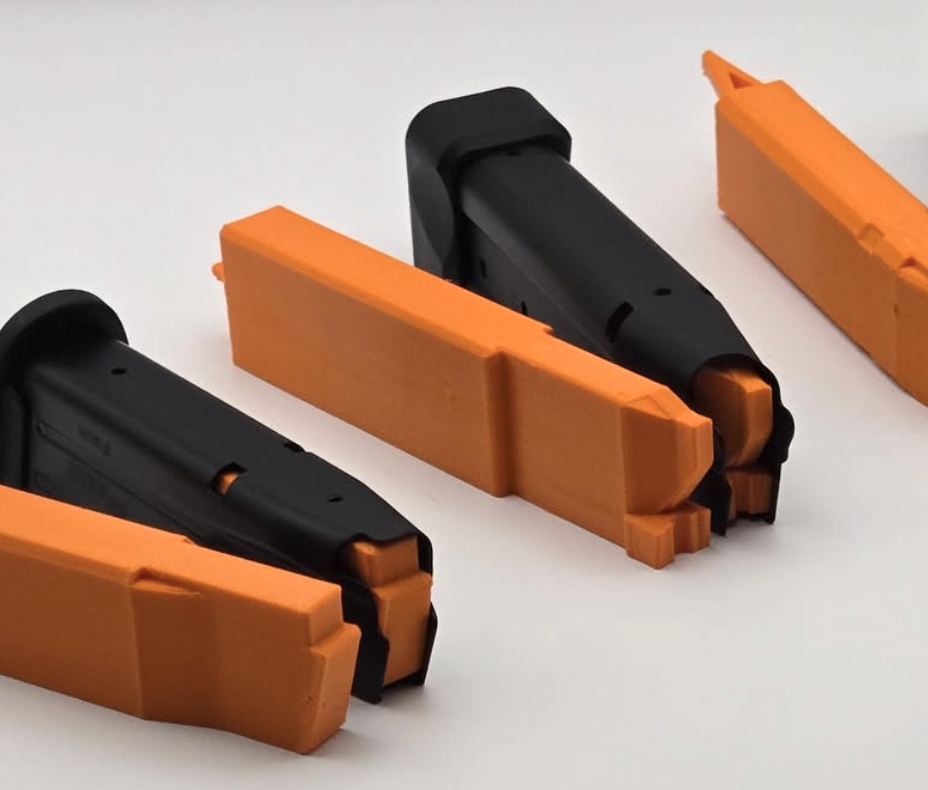
Modern training accessories make dry fire significantly more effective than simply pressing the trigger on an unloaded firearm.
Useful accessories include:
- Weighted training magazines
- Safe training barrels
- Laser training systems
- Dummy rounds
- Shot timers
- Target systems
These tools create more realistic training sessions while reinforcing proper firearm handling.
At JV-Training Accessories, our products are designed to help shooters build confidence and consistency through safe, structured dry fire practice. Whether you're working on reloads, presentations, or manipulation drills, quality training accessories can help bridge the gap between home practice and live-fire performance.
An Effective Weekly Training Plan
Many instructors recommend spending more time dry firing than shooting live ammunition.
A balanced weekly schedule might look like:
Monday: 15-minute dry fire session
Wednesday: Reloads and movement drills
Friday: Draw practice and trigger control
Saturday: Live fire range session
This approach allows shooters to perfect their mechanics throughout the week before validating those skills with live ammunition.
Common Dry Fire Mistakes
To get the most from dry fire, avoid these common mistakes:
- Rushing through repetitions
- Practicing without a clear goal
- Ignoring firearm safety rules
- Failing to confirm the firearm is unloaded
- Practicing sloppy technique
- Skipping live-fire verification
Every repetition should be deliberate and focused on building correct habits.
Should Beginners Dry Fire?
Absolutely.
Dry fire is one of the safest and most effective ways for new shooters to learn proper firearm handling before firing their first live rounds.
Experienced shooters also benefit because dry fire helps maintain skills between range sessions and correct minor issues before they become larger problems.
No matter your experience level, consistent dry fire practice pays dividends.
Why Choose JV-Training Accessories?
Effective training starts with the right equipment. At JV-Training Accessories, we offer high-quality dry fire training products designed to help shooters practice safely, efficiently, and with purpose.
Whether you're a new firearm owner, a competitive shooter, or a firearms instructor, our training accessories make it easier to develop the skills that translate directly to better performance on the range.
If you're looking to get more value from every training session, explore the dry fire products available from JV-Training Accessories and build a practice routine that keeps you improving year-round.
Final Thoughts
The debate between dry fire and live fire isn't about choosing one over the other—it's about understanding how each contributes to becoming a better shooter.
Dry fire builds the fundamentals through repetition, while live fire confirms those skills under realistic conditions. Together, they create a complete training system that improves accuracy, efficiency, and confidence.
By incorporating quality training accessories into your routine, you can maximize every practice session and make every round fired at the range more productive.
Be sure to check out JV Training Accessories on Instagram!