
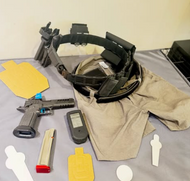
How Important Is Firearms Training Outside the Range?
Jul 14th 2026
Why Dry Fire Practice Builds Better Shooters
Owning a firearm is only the first step toward becoming a capable and responsible shooter. While live-fire range sessions are essential for confirming accuracy and testing skills under recoil, the reality is that most of your improvement happens away from the firing line. Firearms training outside the range allows you to build consistency, improve weapon handling, and develop muscle memory without spending hundreds of dollars on ammunition.
Whether you're a concealed carrier, competitive shooter, law enforcement officer, or someone who simply wants to become more proficient with your firearm, dry fire training should be a regular part of your routine.
Our team at JV Training is going to break it down.
Why Live Fire Isn't Enough
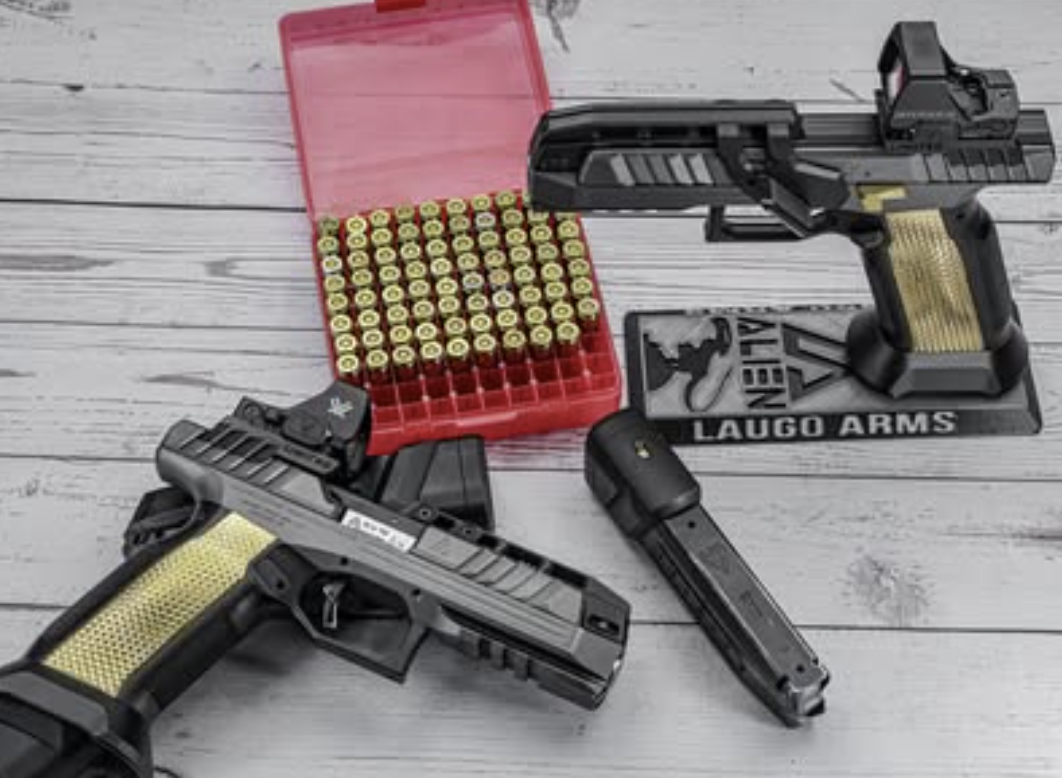
Many shooters, from competitive shooters to regular weekend enthusiasts, only practice when they visit the range. Unfortunately, range time can be expensive and infrequent due to the cost of ammunition, travel, and lane fees.
A typical range session often includes:
- Shooting from a stationary position
- Slow, deliberate firing
- Limited movement
- Few draw repetitions
- Minimal reload practice
While these sessions are valuable, they don't provide enough repetitions to master the fundamentals.
Professional instructors often emphasize that repetition builds skill, and the safest, most affordable way to accumulate thousands of repetitions is through dry fire practice.
What Is Dry Fire Training?
Dry fire training is practicing firearm manipulation without live ammunition. Using an unloaded firearm or dedicated training tools, shooters rehearse the mechanics of shooting while eliminating recoil and noise.
Dry fire allows you to practice:
- Drawing from concealment
- Grip consistency
- Sight alignment
- Trigger control
- Reloads
- Target transitions
- Malfunction clearances
- Presentation from the holster
Because there is no recoil to distract you, every movement can be analyzed and refined.
Building Muscle Memory
When your body repeats the same motion correctly hundreds or thousands of times, those movements become automatic.
This is known as procedural memory, or muscle memory.
During a defensive encounter, stress dramatically reduces fine motor skills. You won't have time to consciously think about every movement. Instead, your body falls back on what it has practiced the most.
Consistent dry fire helps make critical actions instinctive:
- Establishing a proper firing grip
- Clearing clothing during the draw from the holster
- Presenting the firearm to eye level
- Finding the sights immediately
- Pressing the trigger without disturbing the sights
These skills translate directly into better performance when live ammunition is introduced.
Save Money While Improving Faster
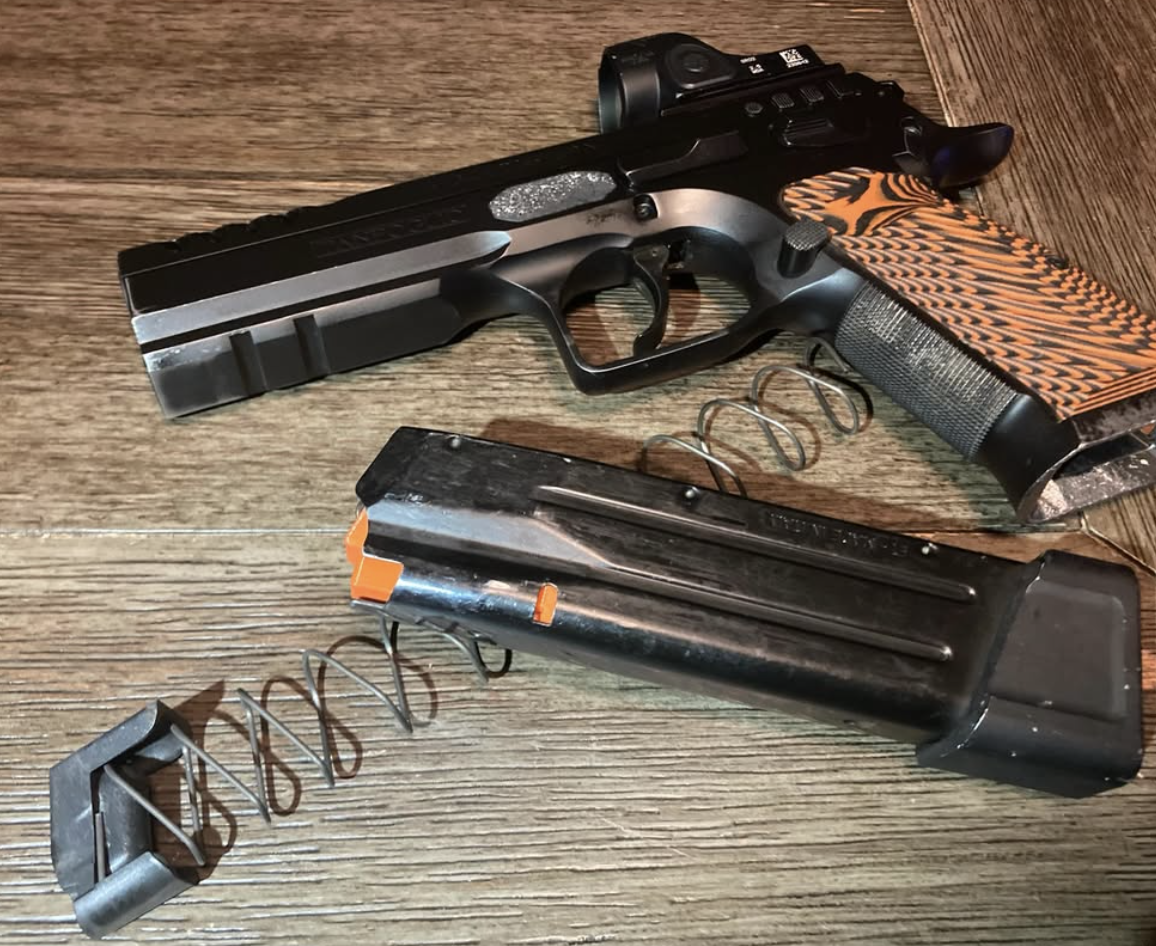
One of the biggest advantages of dry fire training is affordability.
Instead of firing hundreds of rounds every week, you can practice for 15 to 20 minutes several times per week at home.
The benefits include:
- Lower ammunition costs
- Less travel
- More frequent practice
- Higher repetition counts
- Better skill retention
Many experienced instructors recommend performing several dry fire sessions for every live-fire range visit.
Practice Reloads With Magazine Inserts
Reloads are often overlooked during standard range sessions because shooters spend most of their time firing rounds.
Magazine inserts, weighted dummy magazines, and dedicated dry fire magazines allow shooters to repeatedly practice:
- Emergency reloads
- Tactical reloads
- Magazine indexing
- Proper magwell insertion
- Returning to target quickly
By repeating reload drills dozens of times in one session, you'll become much faster and smoother than trying to learn them during occasional live-fire practice.
These tools also reduce wear on your equipment while allowing realistic reload practice.
Improve Your Draw Stroke
Drawing from the holster is one of the most important defensive skills, yet many public ranges prohibit practicing it.
Training at home gives you the opportunity to perfect every phase of your draw:
- Clearing your cover garment
- Establishing a consistent grip
- Drawing straight upward
- Rotating toward the target
- Joining both hands
- Presenting the pistol
- Acquiring the sights
Hundreds of quality repetitions build speed without sacrificing safety.
The smoother your draw becomes, the less likely you are to fumble under pressure.
Practice Without Recoil
Recoil often masks mistakes.
Many shooters compensate for poor trigger control or inconsistent grip because recoil hides small errors.
Dry fire removes recoil entirely, making every movement visible.
You'll quickly notice:
- Trigger jerking
- Sight movement
- Grip inconsistencies
- Poor trigger finger placement
- Anticipation habits
Correcting these issues before live fire leads to faster improvement on the range.
Add Training Aids for More Realism
Modern training tools make dry fire even more productive.
Popular options include:
- Laser training cartridges
- Dry fire magazine inserts
- Weighted magazines
- Snap caps
- Shot timers
- Scaled target systems
- Training targets for multiple distances
These accessories help simulate realistic shooting scenarios while providing measurable feedback.
Develop Consistency Through Short Sessions
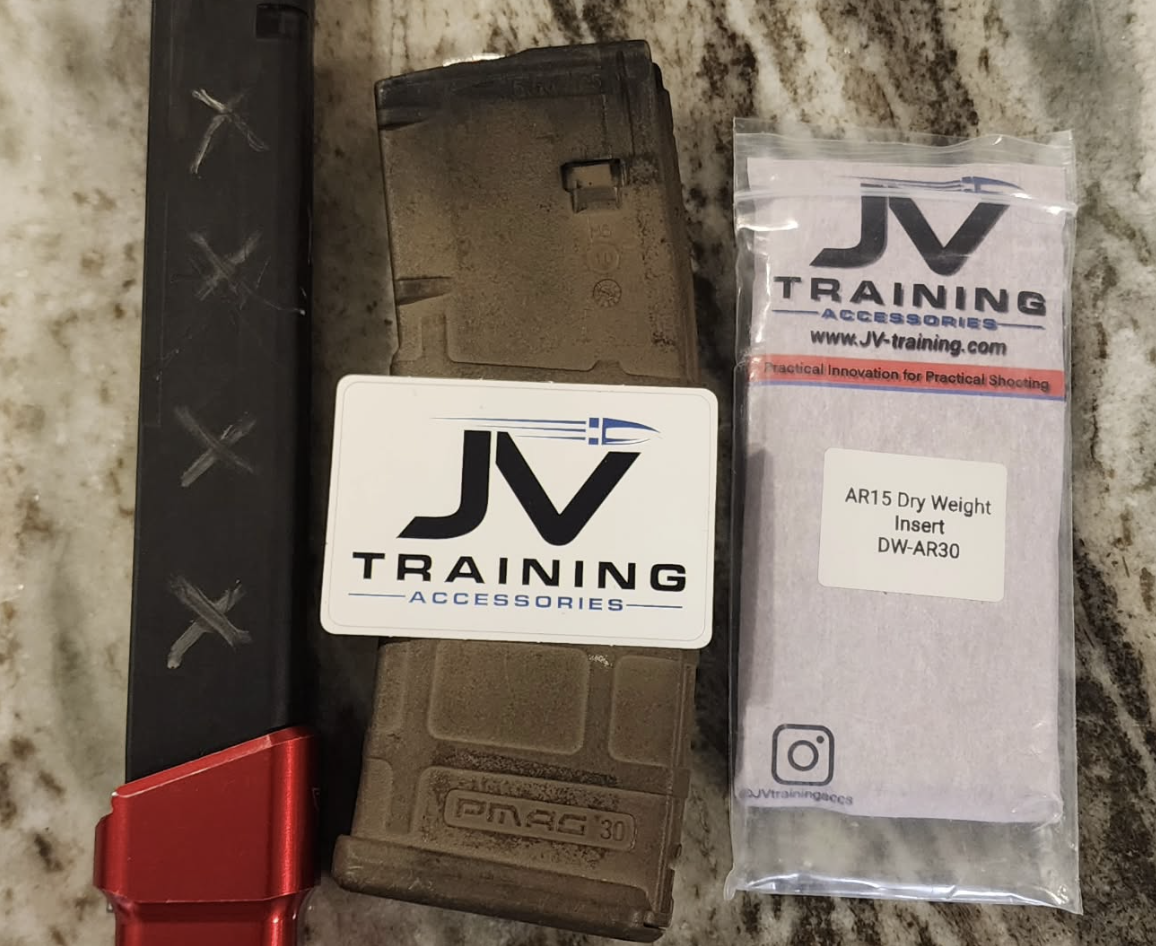
Long training sessions aren't always necessary.
Fifteen focused minutes several times each week often produces better results than one lengthy range session each month.
A simple routine could include:
- 20 draw repetitions
- 20 trigger presses
- 20 reloads
- 20 target transitions
- 10 malfunction clearances
That's nearly 100 quality repetitions in less than 20 minutes.
After a month, you'll have completed thousands of correct movements that reinforce efficient gun handling.
Safety Always Comes First
Dry fire should always follow strict safety procedures.
Before beginning any practice session:
- Remove all live ammunition from the room.
- Verify the firearm is unloaded multiple times.
- Use a designated safe direction.
- Avoid distractions during training.
- End the session before reloading the firearm.
- Follow all firearm safety rules at all times.
Creating a consistent safety routine ensures every training session remains productive and safe.
Pair Dry Fire With Professional Instruction
While practicing at home is invaluable, it shouldn't replace professional firearms training.
Qualified instructors can identify mistakes that are difficult to notice on your own and provide corrective feedback that accelerates improvement.
Combining professional instruction, regular dry fire practice, and occasional live-fire confirmation creates one of the most effective paths toward becoming a skilled and responsible shooter.
Final Thoughts
Firearms training outside the range is where many of the most important skills are developed. Dry fire practice, magazine inserts, reload drills, and consistent repetition allow shooters to build confidence without the expense of constant live-fire sessions.
The range is where you confirm your skills. Dry fire is where you build them.
By dedicating just a few minutes several days each week to purposeful dry fire training, you'll improve your draw, trigger control, reloads, and overall firearm handling—making every live-fire session more productive and every movement more confident.
Be sure to check out JV Training Accessories on Instagram!