

How Dry Fire Training Improves Accuracy
Jul 20th 2026
The Smartest Way to Become a Better Shooter
Every shooter wants to improve accuracy, but spending hours at the range isn't always practical. Ammunition costs, limited range time, and busy schedules can make it difficult to practice consistently. Fortunately, one of the most effective ways to become a more accurate shooter doesn't require firing a single round.
Dry fire training has become a cornerstone of skill development for law enforcement officers, military personnel, competitive shooters, and responsibly armed citizens. By practicing the fundamentals of marksmanship without live ammunition, shooters can develop better habits, refine their technique, and build confidence—all from the comfort of home.
In this guide, our team at JV Training is going to explain how dry fire training improves accuracy, what skills it develops, and why using quality training accessories from JV Training and Accessories can make your practice sessions even more effective.
What Is Dry Fire Training?
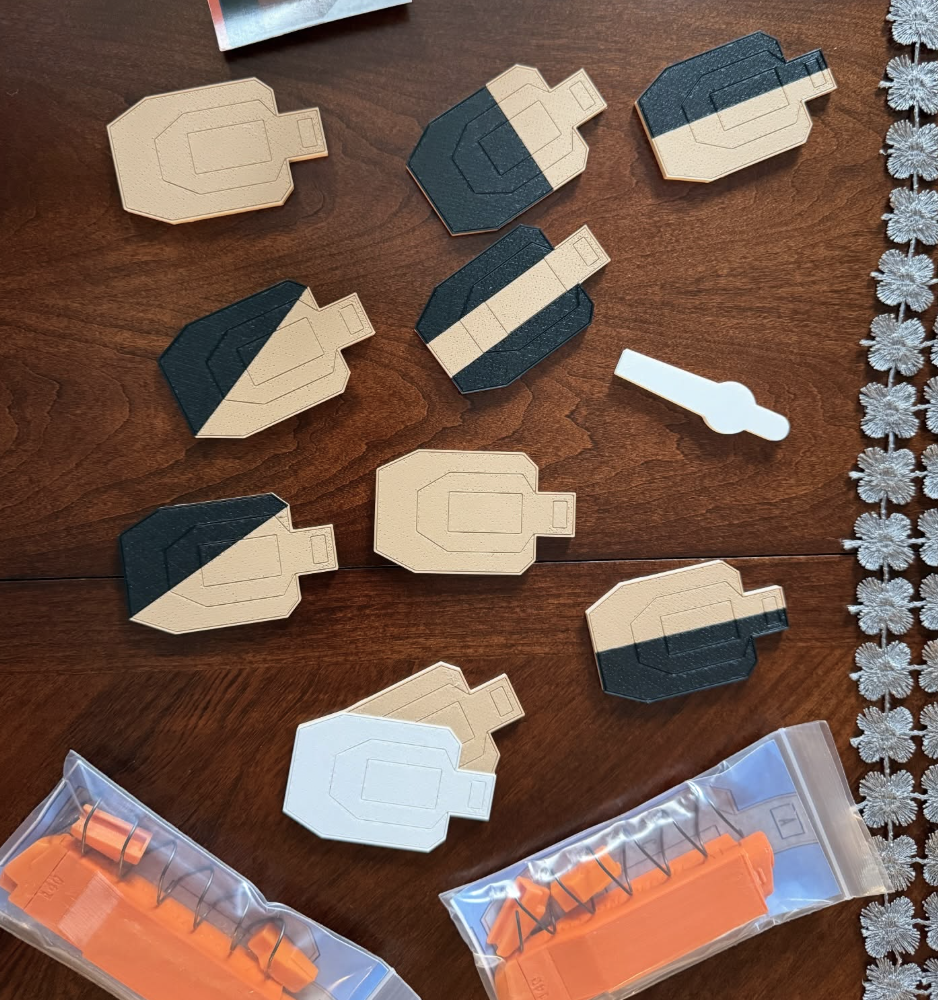
Dry fire training is the practice of operating your firearm without live ammunition. Instead of focusing on recoil or hitting a target with live rounds, dry fire allows you to concentrate on the fundamentals that produce accurate shots.
A proper dry fire session may include:
- Trigger control
- Sight alignment
- Sight picture
- Grip consistency
- Reload practice
- Drawing from a holster (where legal and safe)
- Target transitions
- Movement drills
- Malfunction clearing
Because no live ammunition is involved, shooters can complete hundreds of quality repetitions in a short amount of time.
Why Accuracy Starts With Fundamentals
Many shooters believe accuracy comes from shooting more ammunition. In reality, accuracy comes from consistently applying the same fundamentals every time you press the trigger.
These include:
- A stable grip
- Proper stance
- Clear sight alignment
- Smooth trigger press
- Consistent follow-through
Dry fire training isolates these fundamentals by removing distractions like recoil and muzzle blast. This allows you to identify mistakes that may go unnoticed during live fire.
Better Trigger Control
One of the biggest reasons shooters miss their target is poor trigger control.
Jerking, slapping, or anticipating the trigger pull can cause the muzzle to move just before the shot breaks.
Dry fire helps you develop a smooth, controlled trigger press by allowing you to focus entirely on keeping the sights steady throughout the trigger movement.
Over time, this builds the muscle memory needed for cleaner, more consistent shots during live fire.
Improved Sight Alignment
Proper sight alignment is critical for accuracy.
During dry fire practice, you can watch your sights closely as you press the trigger. If the sights dip, shift, or wobble significantly, you'll know your trigger press or grip needs work.
This immediate feedback helps reinforce proper shooting mechanics without wasting ammunition.
Building Consistent Grip
A consistent grip keeps your firearm stable before, during, and after every shot.
Dry fire gives you countless opportunities to establish the exact same grip every time you present your firearm.
As consistency improves, shooters often notice:
- Better recoil management
- Faster follow-up shots
- Smaller shot groups
- More confidence under pressure
Eliminating Flinching
Many shooters develop anticipation from live fire.
The loud report and recoil can cause subtle movements just before the trigger breaks, negatively affecting accuracy.
Because dry fire removes recoil entirely, it helps retrain your brain to press the trigger without anticipating the shot.
This translates directly to smoother, more accurate shooting when you return to the range.
Developing Muscle Memory
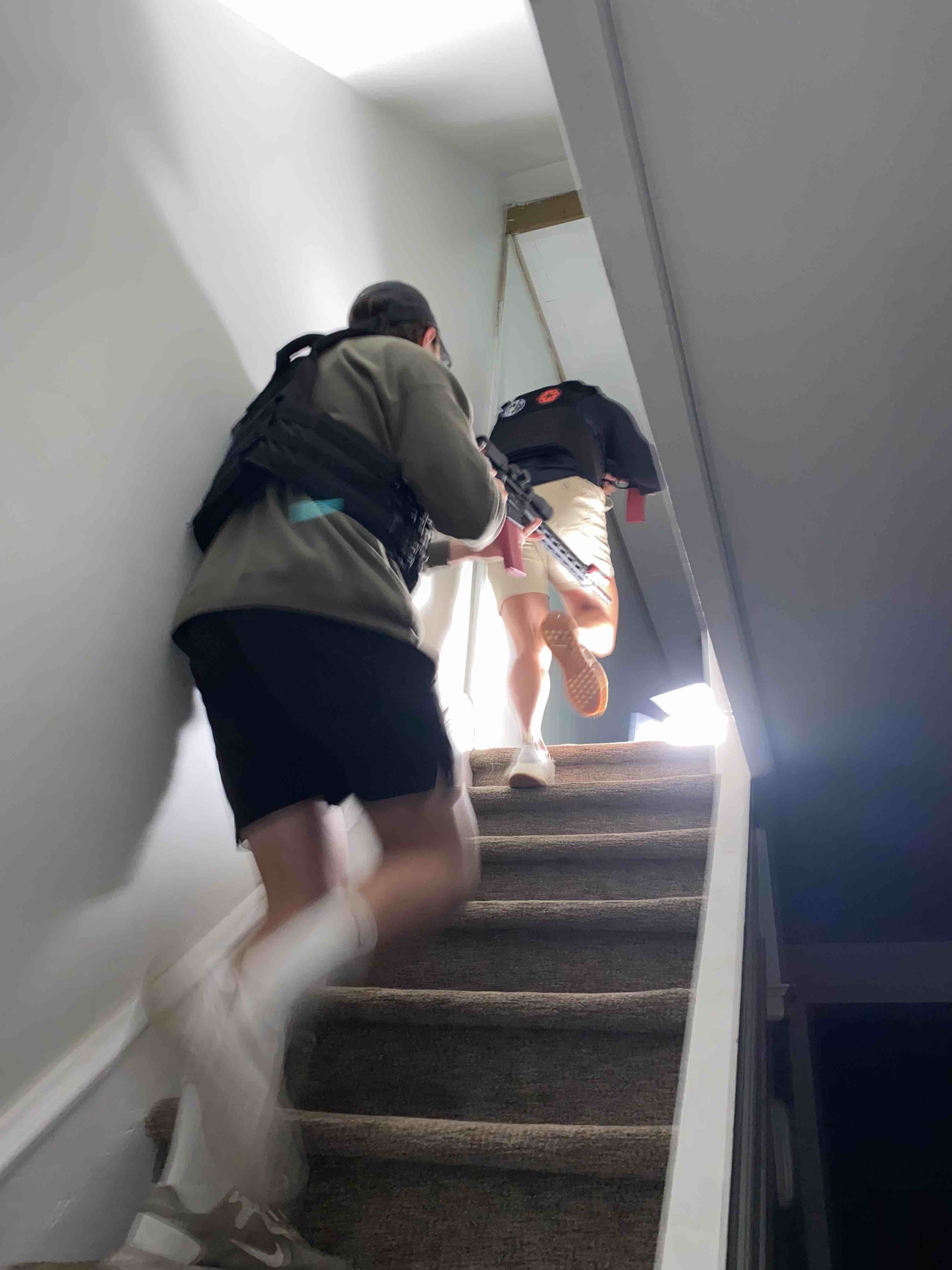
Accurate shooting depends on performing the same movements repeatedly until they become automatic. Dry fire allows shooters to build muscle memory through repetition.
Instead of firing 100 live rounds, you can perform hundreds of perfect trigger presses, presentations, and reloads in a single evening.
Those repetitions reinforce efficient movement patterns that carry over to real-world shooting.
Faster Target Acquisition
Accuracy isn't just about hitting the target—it's also about finding the sights quickly.
Dry fire drills help shooters:
- Present the firearm consistently
- Acquire the sights faster
- Transition between multiple targets smoothly
- Improve visual focus
As these skills become second nature, shooters often see noticeable improvements during live-fire drills.
Practice Reloads Without Range Time
Many missed opportunities during competition or defensive scenarios come from slow or inconsistent reloads.
Dry fire provides an excellent opportunity to practice:
- Emergency reloads
- Tactical reloads
- Magazine indexing
- Hand placement
- Efficient movement
Using dedicated training accessories, such as magazine inserts and reload training tools from JV Training and Accessories, allows shooters to safely repeat these skills while building speed and consistency.
Save Money While Improving Skills
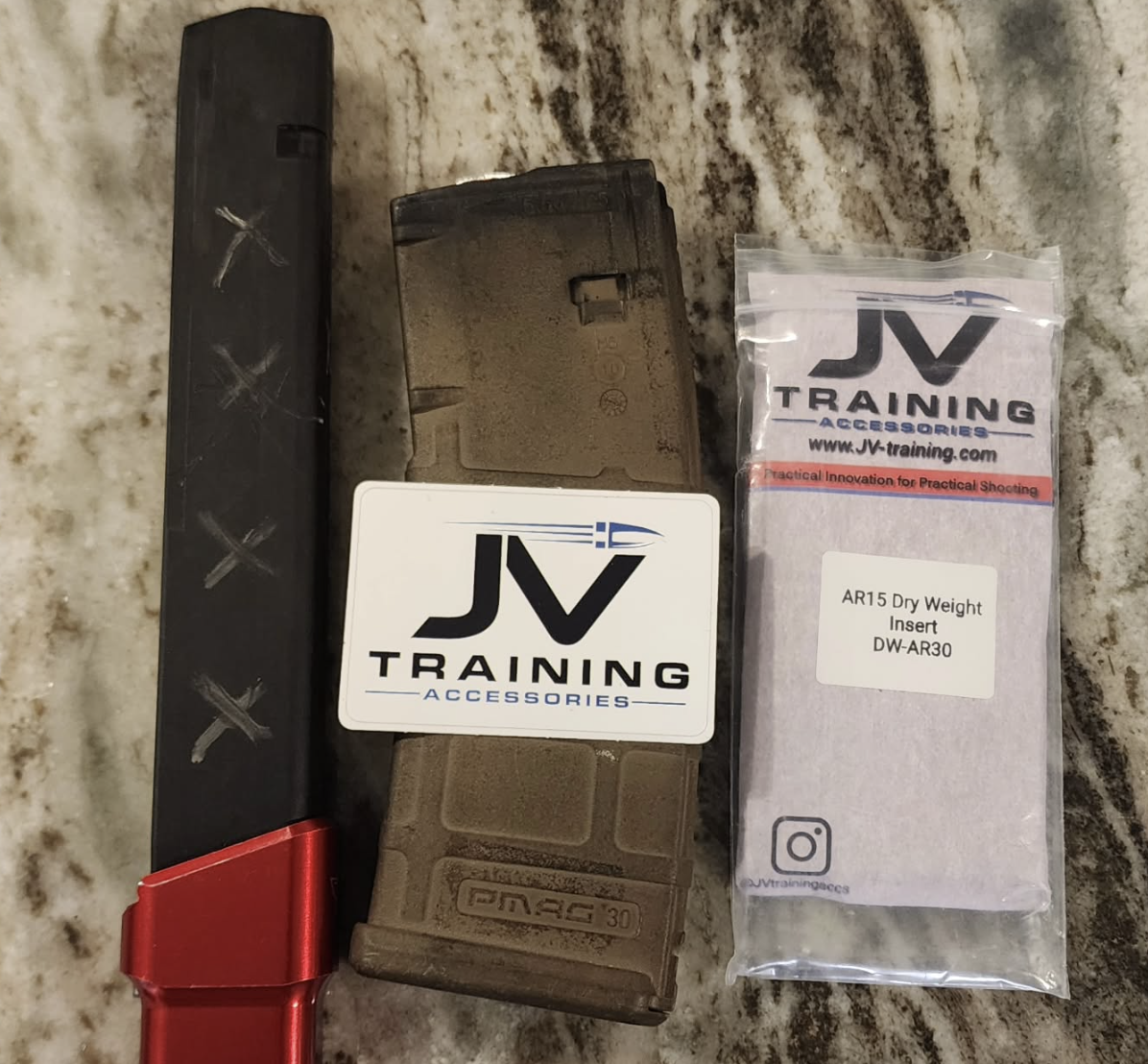
One of the biggest advantages of dry fire training is affordability.
Instead of purchasing hundreds of rounds of ammunition every month, shooters can train regularly with little ongoing cost.
Benefits include:
- No ammunition expenses during practice
- Less wear on your firearm
- Flexible training at home
- More frequent practice sessions
- Better use of live-fire range time
Many experienced shooters dedicate the majority of their training to dry fire and use live-fire sessions to confirm what they've already practiced.
Build Confidence Through Repetition
Confidence comes from preparation.
When you've practiced your draw, trigger press, reloads, and firearm manipulation hundreds of times, you're less likely to hesitate during competition or defensive situations.
Dry fire helps remove uncertainty by making every movement more familiar and repeatable.
Make Training More Effective with the Right Accessories
Quality training equipment can make dry fire sessions more realistic and productive.
Training accessories like magazine inserts and dedicated dry fire tools help shooters:
- Practice reloads more naturally
- Improve firearm handling
- Develop smoother manipulations
- Build consistent training habits
- Reduce unnecessary wear during repeated practice
The right equipment helps simulate real-world firearm handling while allowing you to focus on developing good technique.
Dry Fire Safety Always Comes First
Before every dry fire session:
- Verify your firearm is unloaded.
- Remove all live ammunition from the training area.
- Choose a safe direction.
- Double-check the chamber and magazine well.
- Eliminate distractions.
- End the session before reintroducing live ammunition.
Following a consistent safety routine helps ensure every training session remains productive and safe.
Consistency Beats Volume
Improving accuracy doesn't require thousands of rounds each month. It requires consistent, focused practice on the fundamentals that matter most.
Even 10 to 15 minutes of dry fire training several times a week can lead to noticeable improvements in trigger control, sight alignment, grip consistency, reload speed, and overall shooting confidence.
With dedicated practice and quality training tools from JV Training and Accessories, shooters of all experience levels can maximize their training time and arrive at the range better prepared. By strengthening the skills that matter most, dry fire training helps turn every live-fire session into an opportunity to validate progress—not start from scratch.
Be sure to check out JV Training Accessories on Instagram!