
How Often Should You Practice Dry Fire?
Aug 3rd 2026
Is There Ever Enough Dry Fire Training?
Dry fire training is one of the most effective ways to improve your shooting skills without spending money on ammunition or traveling to the range. Whether you're a new firearm owner, a concealed carry permit holder, a competitive shooter, or a law enforcement professional, consistent dry fire practice can help build the muscle memory and confidence needed for better performance.
But one of the most common questions shooters ask is: How often should you practice dry fire?
The answer depends on your experience level, training goals, and schedule, but for most shooters, consistency matters far more than long training sessions. Even just 10 to 20 minutes of focused dry fire practice several times a week can produce noticeable improvements.
Our team at JV Training is going to break it down.
Why Dry Fire Training Works
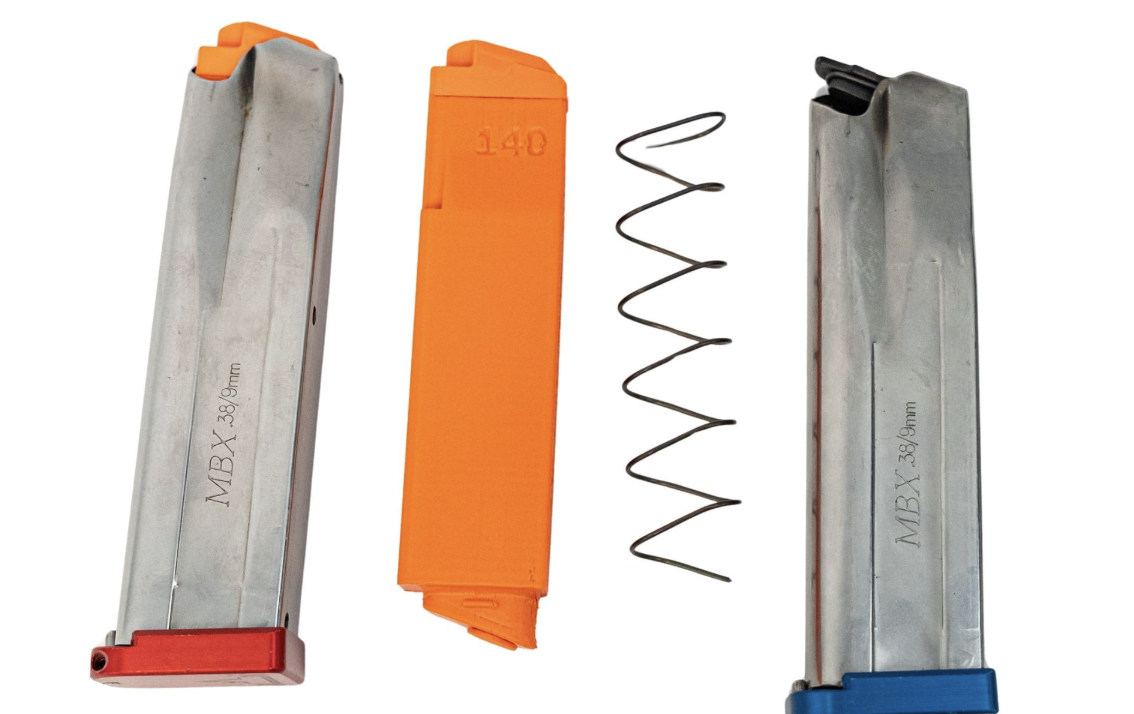
Dry fire training involves practicing firearm manipulation and shooting fundamentals without live ammunition. Because there is no recoil or muzzle blast, shooters can focus entirely on developing proper technique.
Regular dry fire practice helps improve:
- Trigger control
- Sight alignment and sight picture
- Draw speed
- Reload efficiency
- Target transitions
- Grip consistency
- Follow-through
- Firearm manipulation
These skills transfer directly to live-fire shooting, allowing shooters to make better use of every round fired at the range.
The Ideal Dry Fire Schedule
While everyone's goals are different, the following schedule works well for most shooters.
Beginners
If you're new to firearms, start with two or three sessions each week.
Each session should last approximately 10 to 15 minutes and focus on mastering the fundamentals rather than speed.
During these sessions, concentrate on:
- Proper grip
- Sight alignment
- Smooth trigger press
- Safe firearm handling
Short, focused sessions help prevent bad habits from developing.
Intermediate Shooters
Shooters with some experience often benefit from practicing four to five times per week.
Sessions lasting 15 to 20 minutes allow enough time to work on:
- Drawing from a holster
- Emergency reloads
- Multiple target transitions
- Movement drills
- Presentation from low ready
Consistency is what builds automatic, repeatable movements.
Competitive Shooters and Professionals
Competitive shooters, firearms instructors, and law enforcement officers frequently incorporate dry fire into their daily routine.
Many practice:
- 15 to 30 minutes per day
- Five to seven days per week
These sessions often emphasize efficiency, speed, consistency, and precision while reinforcing skills needed during competition or duty use.
Quality Is More Important Than Quantity
Many shooters believe practicing for an hour is better than practicing for fifteen minutes.
In reality, fatigue often causes technique to deteriorate.
A focused 15-minute session with deliberate repetitions is usually far more productive than an hour of distracted practice.
Always perform each repetition with purpose.
Skills to Include in Your Dry Fire Routine
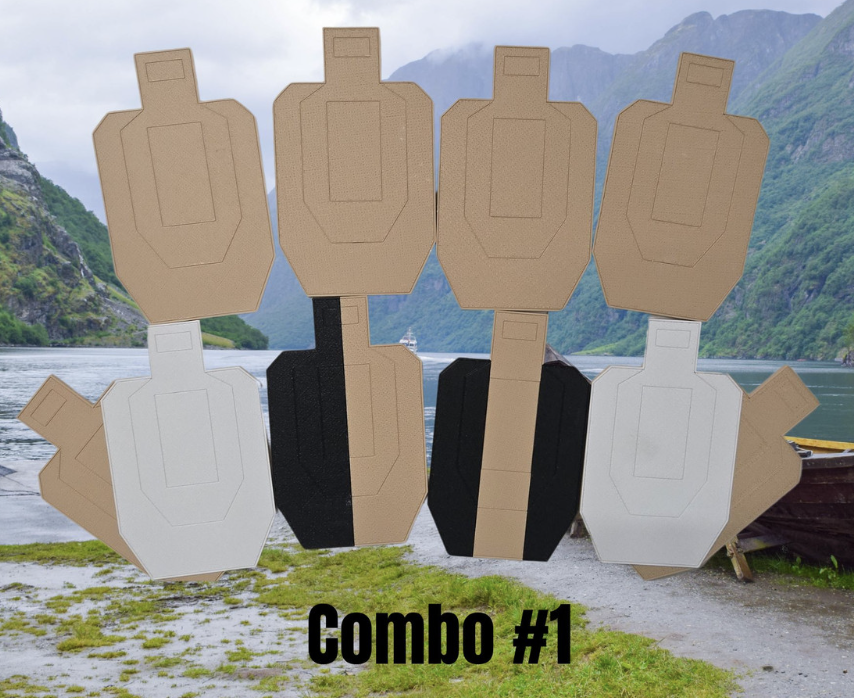
A well-rounded dry fire routine should cover multiple aspects of firearm handling.
Consider practicing:
Trigger Control
Smooth, consistent trigger presses are one of the biggest contributors to improved accuracy.
Practice breaking the trigger without disturbing your sight picture.
Drawing from the Holster
If local laws and your training environment allow, safely practice drawing from your concealed carry or duty holster.
Focus on efficiency rather than speed.
Speed naturally develops through repetition.
Reload Drills
Magazine changes should become automatic.
Practice both emergency reloads and tactical reloads until they feel natural.
Target Transitions
If using multiple dry fire targets, practice shifting your eyes before moving the firearm.
Efficient target transitions can significantly improve shooting performance.
Ready Positions
Practice presenting your firearm from various ready positions while maintaining proper grip and sight alignment.
Make Every Practice Session Count
To maximize your progress, establish a plan before beginning.
Instead of randomly practicing different skills, dedicate each session to one or two objectives.
For example:
Monday
- Trigger control
- Sight alignment
Wednesday
- Draw practice
- Reload drills
Friday
- Multiple target transitions
- Presentation drills
Following a structured plan makes progress easier to measure over time.
Use Quality Training Equipment
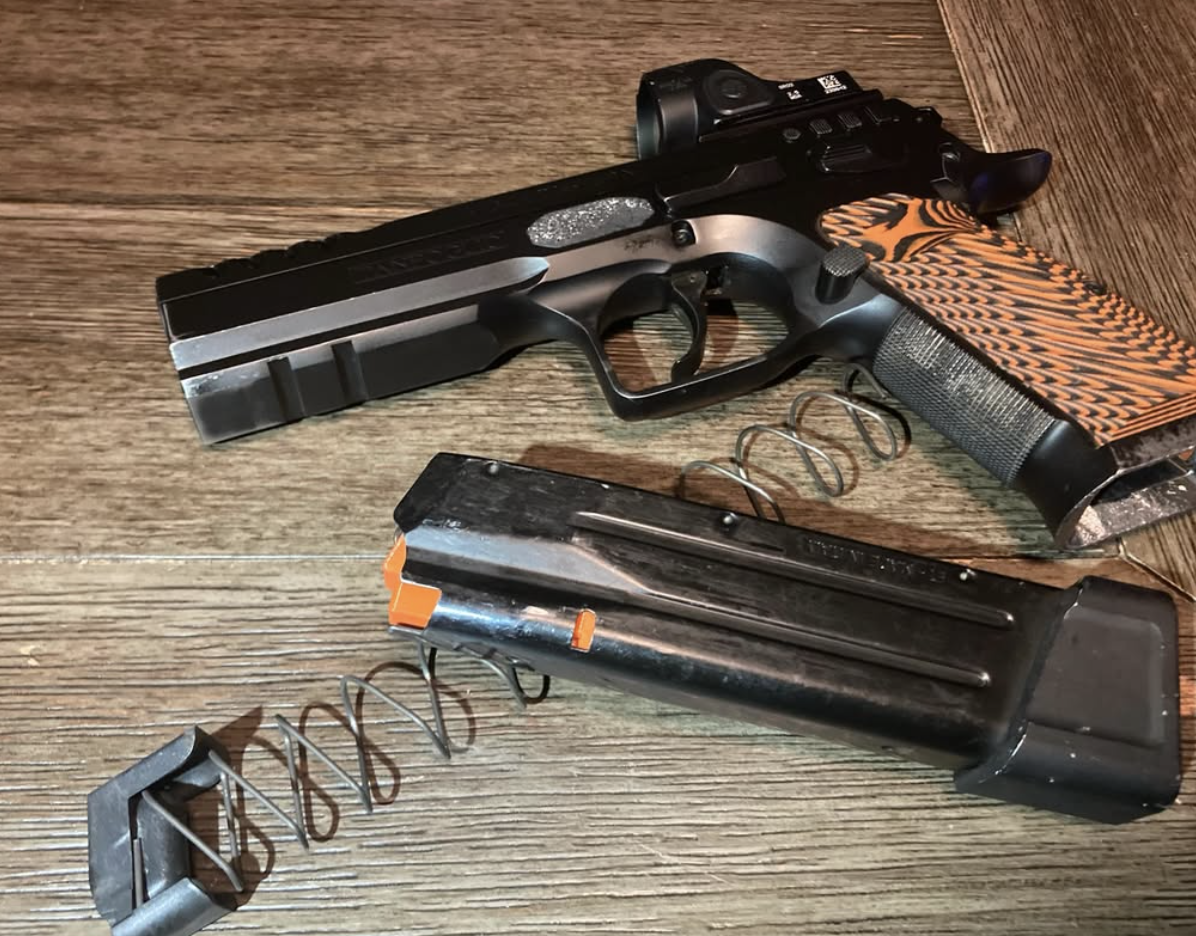
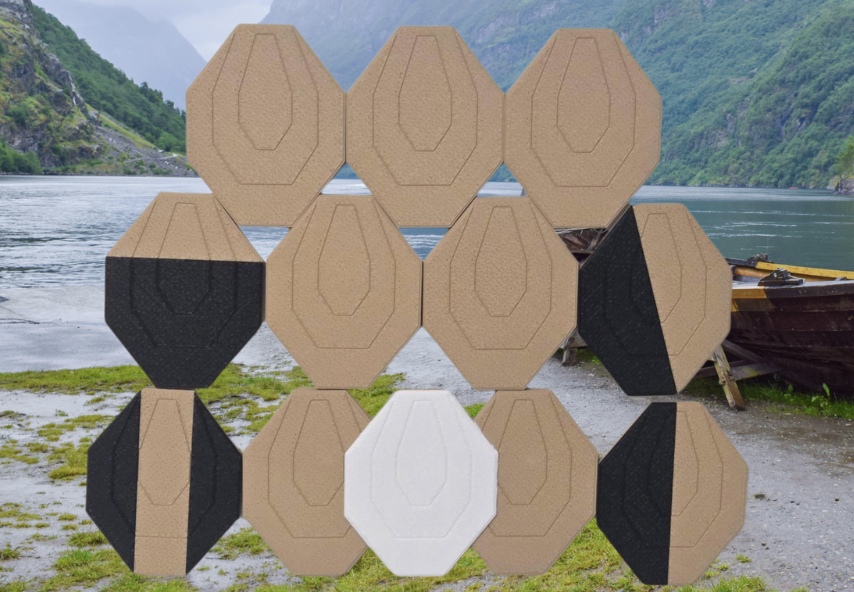
Effective dry fire training depends on using reliable training equipment designed to support safe, repeatable practice.
Dedicated training accessories can help shooters build consistency while allowing instructors to create more engaging and productive training sessions.
Whether you're training at home, in a classroom, or on the range, high-quality firearms training gear helps create realistic practice scenarios and reinforces proper technique.
JV Training Accessories manufactures professional-grade firearms training equipment trusted by instructors, law enforcement professionals, competitive shooters, and responsible firearm owners. Their products are designed to help shooters develop confidence, consistency, and efficiency through structured training.
Safety Always Comes First
Dry fire training should always be performed safely.
Before every session:
- Remove all live ammunition from the room.
- Verify your firearm is completely unloaded.
- Check the chamber both visually and physically.
- Point the firearm in a safe direction.
- Eliminate distractions during practice.
Developing safe habits during dry fire ensures those habits carry over to live-fire training.
Measuring Your Progress
One advantage of frequent dry fire practice is that improvements become measurable over time.
Track metrics such as:
- Draw time
- Reload speed
- Target transition efficiency
- Trigger consistency
- Presentation from ready positions
Recording your progress helps identify strengths while highlighting areas that need additional work.
Final Thoughts
So, how often should you practice dry fire?
For most shooters, 10 to 20 minutes of focused practice three to five times each week is enough to produce meaningful improvements. More advanced shooters may choose to train daily, but the key is maintaining consistent, deliberate practice rather than simply increasing volume.
Combined with regular live-fire sessions, dry fire training is one of the fastest and most affordable ways to improve marksmanship, firearm handling, and overall confidence. By following a structured routine and using dependable training equipment from JV Training Accessories, shooters of all experience levels can build skills that translate directly to real-world performance.
Be sure to check out JV Training Accessories on Instagram!