
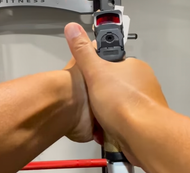
How to Practice Trigger Control at Home
Aug 18th 2026
A Safe Guide to Dry-Fire Training
Trigger control is one of the fundamental skills taught in responsible firearms training. Developing consistent trigger-handling habits can help shooters become more familiar with their equipment and reinforce safe firearm-handling practices.
For people who want to practice outside the range, then it's a no-brainer that dry-fire training provides an option that does not require live ammunition. With the right equipment, a controlled environment, and strict safety procedures, dry practice can become a regular part of a responsible training routine.
JV Training offers purpose-built firearms training accessories designed to support dry-fire practice and help shooters create a more structured training environment.
What Is Trigger Control?
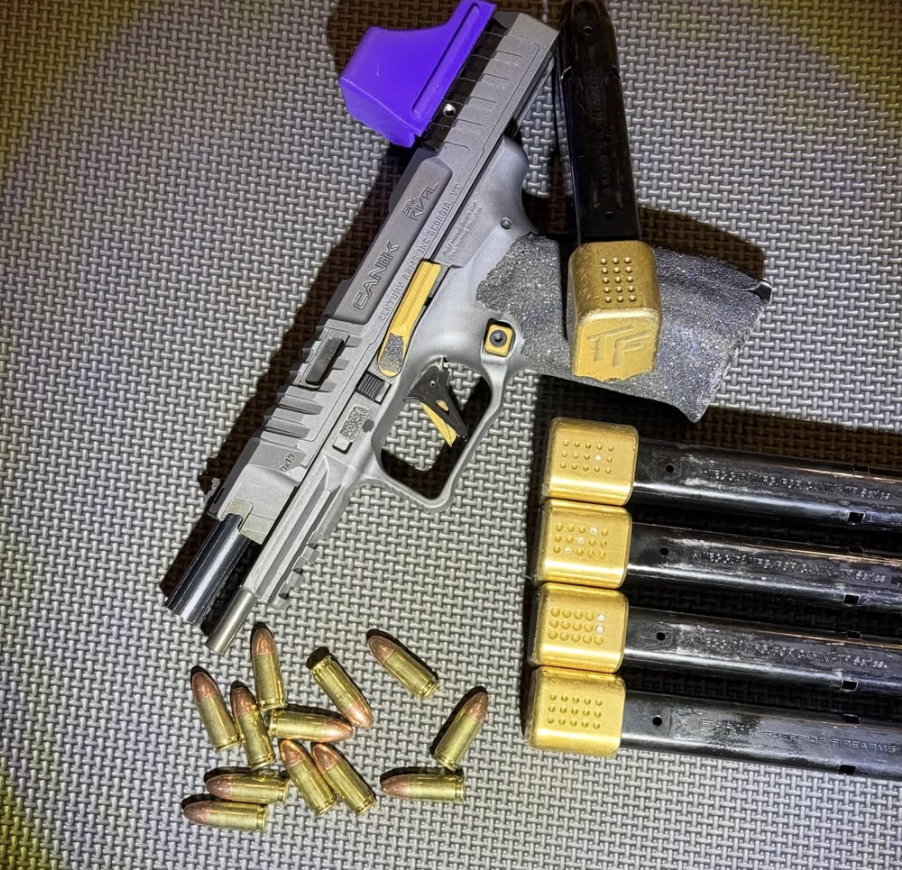
Trigger control refers broadly to how a shooter interacts with the trigger while maintaining safe firearm handling. Whether it's your everyday carry gun, or something else, you need to practice trigger control.
Rather than trying to build skills like handling and accuracy through occasional range sessions alone, dry-fire practice can provide an opportunity to repeatedly rehearse basic handling concepts with an unloaded firearm or purpose-built training equipment.
The objective should always be safe, deliberate practice—not simply speed or repetition.
Why Practice Trigger Control at Home?
Range time is valuable, but it isn't always convenient or affordable to visit a range every time you want to practice fundamental skills.
A properly structured dry-fire session can provide an additional training opportunity between range visits.
Potential benefits include:
- Reinforcing safe firearm-handling habits
- Becoming more familiar with your firearm's controls
- Practicing consistent hand placement
- Developing a repeatable training routine
- Identifying inconsistencies in your handling technique
- Supplementing professional firearms instruction
- Practicing without using live ammunition
Dry fire should complement—not replace—professional instruction and responsible live-fire training.
Safety Comes First
Before beginning any dry-fire session, establish a dedicated training environment.
Never mix live ammunition with dry-fire practice. Remove all live ammunition from the training area and follow the manufacturer's instructions for verifying that the firearm is unloaded.
Additional safety considerations include:
- Use a designated training area.
- Keep ammunition in a separate location.
- Follow the firearm manufacturer's dry-fire instructions.
- Never assume a firearm is unloaded—verify it.
- Keep the firearm pointed in a safe direction.
- Make sure everyone nearby understands that a training session is taking place.
- Stop immediately if you become distracted.
- Follow all applicable laws and safety policies.
If you're uncertain whether your particular firearm is appropriate for dry firing, consult the manufacturer's documentation or a qualified firearms instructor.
Create a Consistent Dry-Fire Training Routine
One advantage of practicing at home is consistency. Instead of attempting to complete a long training session, consider establishing short, focused practice sessions.
Start by reviewing your safety procedures and confirming that the training environment remains free of live ammunition. You can even use tools like dry-weight inserts to mimick the real feel and weight of a loaded firearm.
From there, focus on one training objective at a time.
For example, a session could focus on becoming familiar with the firearm's controls and maintaining consistent, safe handling. Another session could concentrate on reinforcing fundamental trigger-handling habits.
Keeping each session focused can make it easier to identify areas that need additional instruction.
Use Training Accessories to Improve Practice
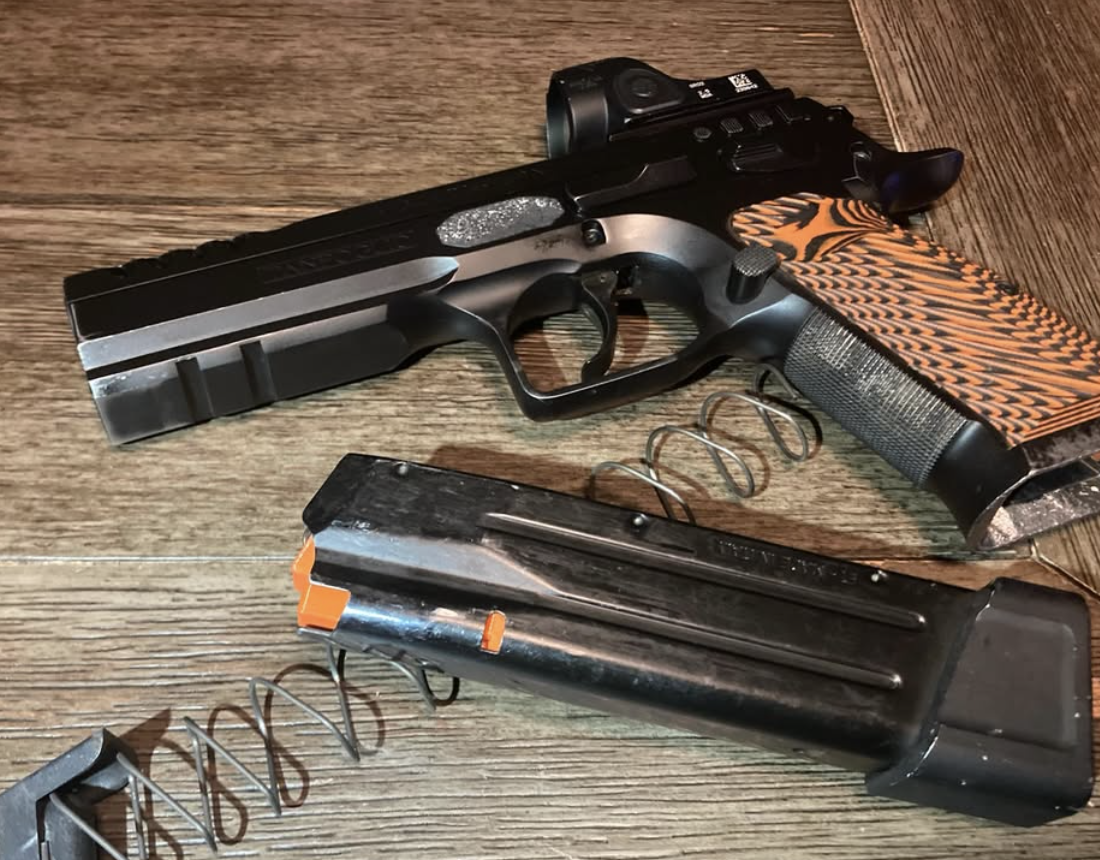
A dedicated training accessory can help make dry-fire sessions more organized and repeatable.
JV Training develops firearms training accessories intended to support shooters and instructors who want practical tools for structured training.
Rather than treating dry fire as simply handling an unloaded firearm, purpose-built training equipment can help create a more deliberate training environment.
Depending on the specific JV Training product you're using, these accessories can be incorporated into individual practice sessions or instructor-led training.
Practice With a Purpose
One of the biggest mistakes with dry fire is going through the motions without a specific objective.
Before starting a session, identify what you're trying to accomplish.
For example:
Training objective: Develop consistent, safe trigger-handling habits.
Training environment: Dedicated dry-fire area with no live ammunition.
Training equipment: Unloaded firearm or appropriate training device, plus compatible JV Training accessories.
Training approach: Slow, deliberate repetitions with an emphasis on safety and consistency.
This approach makes training more intentional and gives you a clear reason for every repetition.
Why Repetition Matters
Fundamental skills improve through consistent practice. Dry fire gives responsible firearm owners an opportunity to reinforce familiarization and handling habits without consuming ammunition.
However, more repetitions aren't automatically better.
Quality and safety should always take priority over quantity. If you're rushing, becoming distracted, or losing focus, end the session and return another time.
A short, focused training session is preferable to practicing while tired or inattentive.
Dry Fire Is Not a Substitute for Live-Fire Training
While dry-fire practice can be useful, it has limitations.
It doesn't reproduce every aspect of live-fire shooting, including recoil, report, ammunition management, and the conditions of an actual range environment.
For that reason, responsible firearm owners should consider dry fire one component of a broader training program.
Professional instruction, supervised range training, safe firearm storage, and continued education all have important roles in responsible firearms ownership.
Build a Better Training Routine With JV Training Products
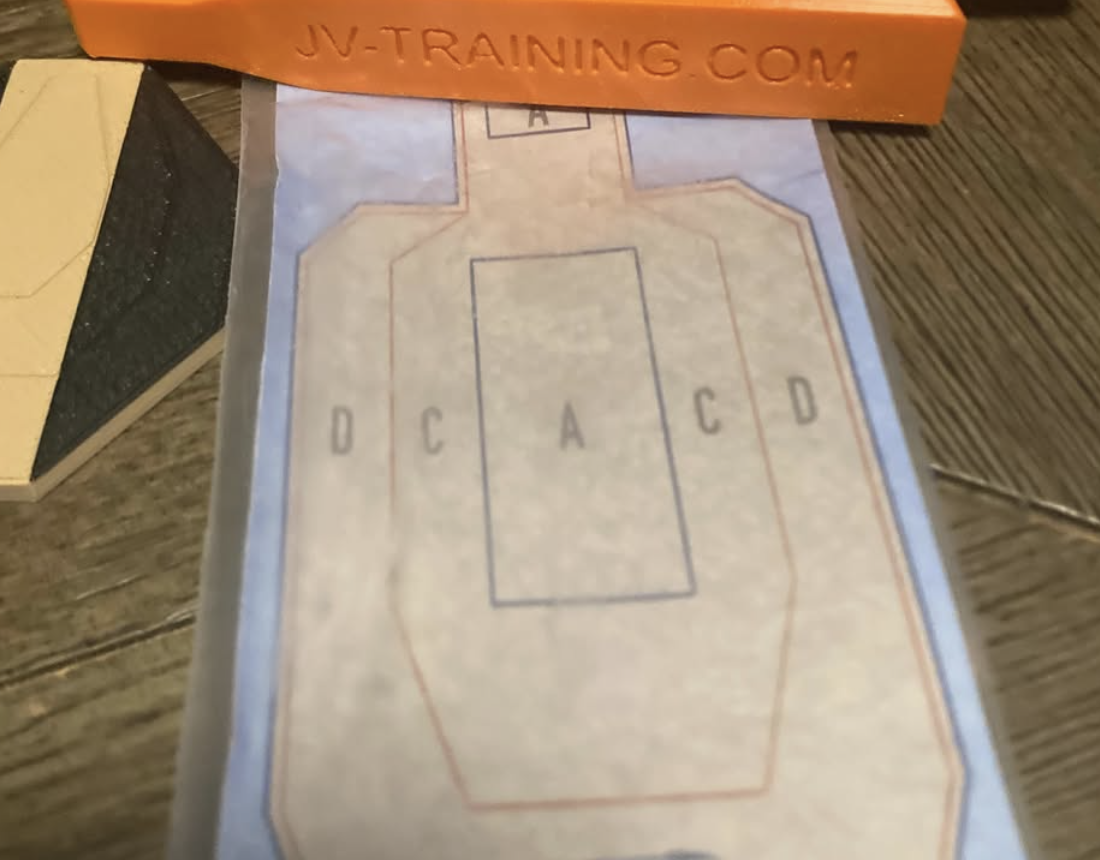
Practicing trigger control at home doesn't have to mean spending hours training every day. The most important factors are safety, consistency, and having a clear training objective.
With a properly prepared dry-fire environment and purpose-built training accessories like targets and magazine inserts from JV Training, shooters and instructors can incorporate structured practice into their overall firearms education.
Whether you're a new firearm owner building familiarity with your equipment or an experienced shooter looking to supplement formal training, dry-fire practice can be a valuable addition to a responsible training routine.
Train deliberately. Train safely. Train consistently—with JV Training.
Dry-Fire Safety Disclaimer
Always completely separate live ammunition from the training environment, verify that the firearm is unloaded, maintain safe muzzle direction, and follow all manufacturer safety instructions. When in doubt, seek guidance from a qualified firearms instructor.
Be sure to check out JV Training Accessories on Instagram!