
How to Build a Dry Fire Training Routine
Sep 15th 2026
Build Your Skills Without Live Ammunition
Dry fire training is one of the most convenient ways to improve your shooting skills without spending hours at the range. When structured correctly, a dry fire training routine can help you develop consistency, improve fundamental skills, and make your live-fire sessions more productive.
The key to effective dry fire practice isn't simply repeating the same movements over and over. A good routine should have a specific purpose, focus on fundamentals, and gradually challenge you as your skills improve.
For shooters looking to get more out of their practice time, building a consistent dry fire routine can be an excellent addition to a broader training program. Our team at JV Training is going to break it down.
What Is Dry Fire Training?
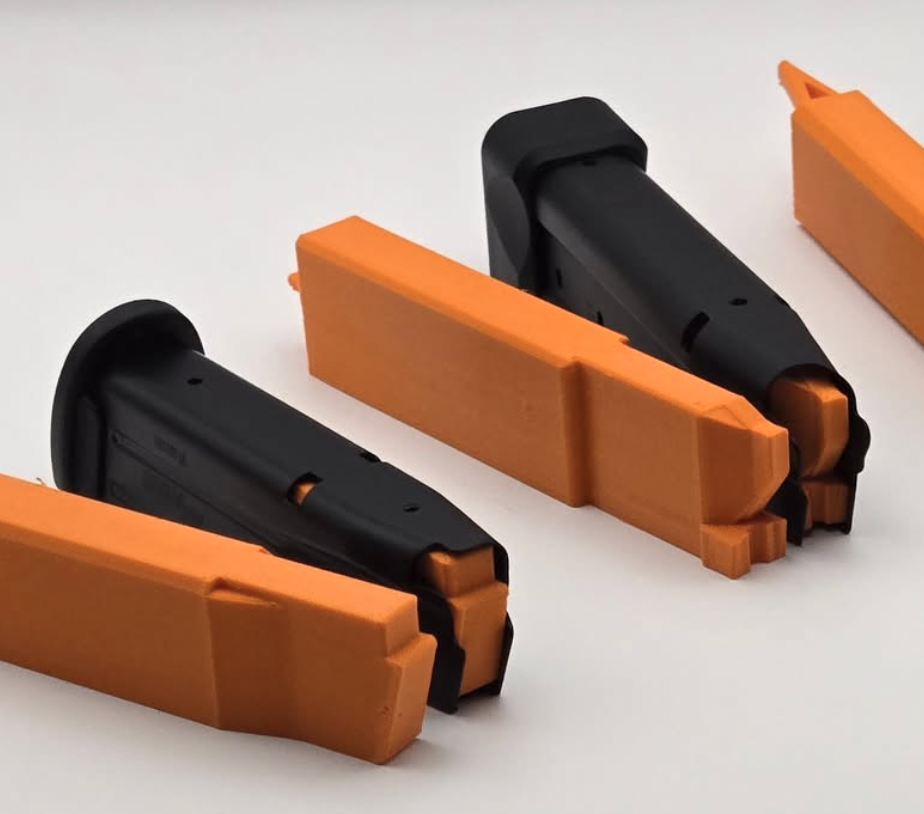
Dry fire training is practice performed without live ammunition. Depending on the type of training being performed and the equipment being used, shooters can work on fundamentals such as the draw and presentation, sight alignment, trigger control, target transitions, and other shooting mechanics.
Because dry fire doesn't require live ammunition or a trip to the range, it can make it easier to practice consistently. Even relatively short sessions can provide valuable repetition when they are performed deliberately.
Before beginning any dry fire session, always follow the manufacturer's instructions for your firearm and training equipment and establish a safe training environment.
Why Build a Dry Fire Training Routine?
One of the biggest advantages of a structured routine is consistency.
Instead of picking random drills every time you practice, a routine gives you a clear plan. You can identify the skills you want to improve, dedicate time to each one, and track your progress over time.
A well-designed routine can help you:
- Build consistent shooting fundamentals
- Improve presentation and manipulation skills
- Develop better trigger control
- Practice visual skills and target transitions
- Identify weaknesses in your technique
- Make better use of limited training time
- Create consistency between training sessions
- Prepare for more productive live-fire practice
The goal isn't necessarily to practice for hours. The goal is to make every repetition intentional.
Step 1: Establish a Safe Training Environment
Safety should always come before training.
Create a dedicated area for dry fire practice where you can concentrate without distractions. Keep live ammunition completely separate from your training area and follow all applicable firearm safety rules.
Before beginning, verify that the firearm is unloaded and that there is no ammunition in the training area. Follow the specific safety procedures recommended by your firearm manufacturer and training equipment manufacturer.
It's also important to avoid practicing when you're distracted, rushed, or unable to maintain your full attention on the session.
Step 2: Determine What You Want to Improve
Your dry fire routine should be built around specific goals.
For example, a new shooter might want to focus primarily on fundamentals and consistency. An experienced shooter may want to work on speed, transitions, or specific performance weaknesses.
Consider asking yourself:
- What part of my shooting needs the most improvement?
- What skill do I struggle with during live fire?
- Am I trying to improve consistency, speed, or accuracy?
- Which fundamentals need more repetition?
- What can I realistically practice several times per week?
Once you've identified your priorities, you can build your routine around them.
Step 3: Keep Your Sessions Short and Focused
You don't need to spend an hour practicing every day.
A short, focused session can be more productive than a long session where your attention starts to fade. Consider starting with approximately 10 to 20 minutes and adjusting the duration based on your experience and goals.
For example, a session could be divided into several sections:
2–3 minutes: Preparation and fundamentals
5 minutes: Primary skill
5 minutes: Secondary skill
2–5 minutes: Review and repetition
The exact structure can change depending on what you're trying to accomplish.
Step 4: Start With Fundamentals
Before moving into more complicated drills, spend time developing your fundamentals.
Your routine may include deliberate practice focused on:
- Consistent grip
- Stable shooting position
- Sight alignment and sight picture
- Trigger control
- Presentation
- Follow-through
- Consistent movement
The objective is to make good technique repeatable.
Speed should not come at the expense of proper technique. If a movement becomes inconsistent as you increase your pace, slow down and rebuild the correct mechanics.
Step 5: Add Specific Drills
Once you've established your fundamentals, incorporate drills that address specific skills.
Rather than performing dozens of different exercises during every session, select a few drills and repeat them with a specific purpose.
For example, you could dedicate one session to presentation and another to trigger control. Another session could focus on transitions or combining multiple fundamentals.
This approach makes it easier to determine whether your training is actually producing improvement.
Step 6: Use Training Accessories to Add Structure
Training accessories can help make dry fire practice more organized and repeatable.
Targets, timers, training aids, and other dedicated equipment can give you specific objectives instead of simply practicing movements without feedback.
For example, a training target can provide a consistent visual reference, while a timer can help introduce measurable performance goals when appropriate.
The right equipment ultimately depends on your experience level, firearm, training objectives, and the type of practice you're performing.
Step 7: Track Your Progress
One of the easiest ways to improve your training is to measure it.
Keep a simple training log that records:
- Date of the session
- Duration
- Skills practiced
- Drills performed
- Performance observations
- Areas that need improvement
- Goals for the next session
Tracking your sessions can help reveal patterns. You may discover that a particular skill consistently gives you trouble or that you're improving in one area while neglecting another.
You don't need a complicated spreadsheet. A simple notebook or digital log can be enough.
Step 8: Gradually Increase the Difficulty
Once a skill becomes comfortable, you can gradually introduce additional challenges.
This might involve increasing the complexity of a drill, adding a timer, incorporating transitions, or combining multiple fundamentals.
The important thing is progression.
If you immediately make every drill as difficult as possible, it can become difficult to determine whether you're actually improving. Build a foundation first and increase the challenge as your consistency improves.
Example Weekly Dry Fire Training Routine
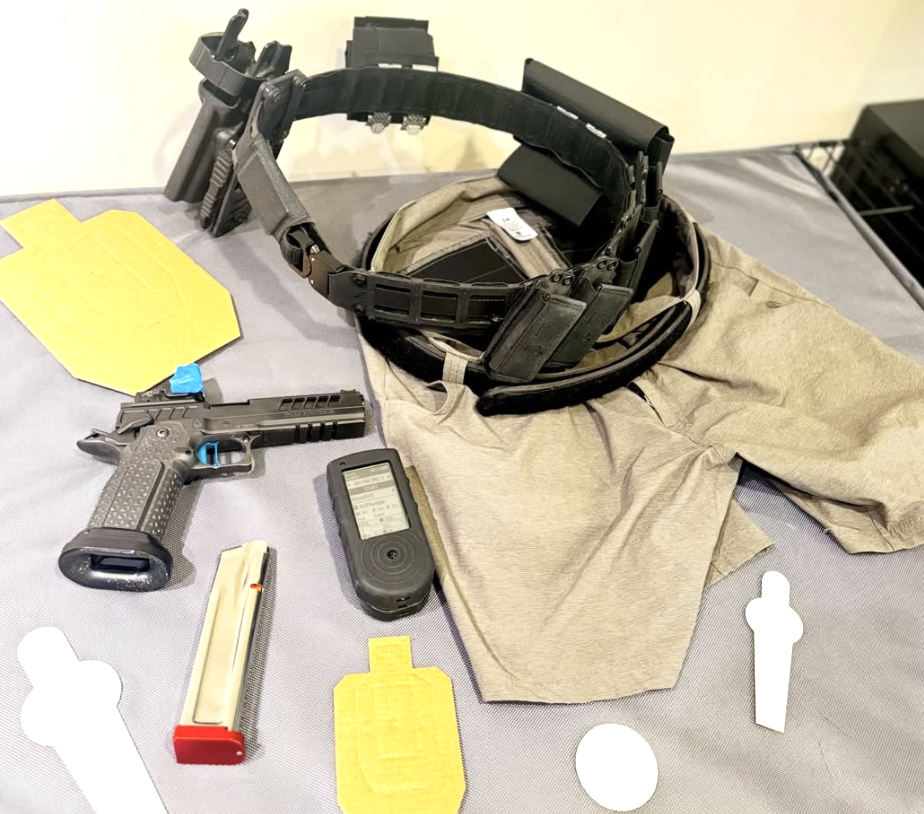
A simple weekly schedule can help keep your practice consistent.
Monday: Fundamentals
Focus on grip, presentation, sight alignment, and trigger control.
Wednesday: Speed and Consistency
Work on performing fundamental movements consistently while gradually introducing measurable performance goals.
Friday: Skill Integration
Combine several fundamentals into structured drills and identify areas that need additional work.
Saturday or Sunday: Review
Use a shorter session to revisit the skills that gave you the most difficulty during the week.
You don't necessarily need to train every day. Consistency over time is more important than trying to cram large amounts of practice into a single session.
Common Dry Fire Training Mistakes
A structured routine can help you avoid some of the most common training mistakes.
Practicing Without a Goal
If you don't know what you're trying to improve, it's difficult to determine whether your practice is effective.
Going Too Fast
Speed can be tempting, but poor technique performed quickly doesn't create good habits. Focus on consistent mechanics first.
Changing Drills Constantly
Doing something different every session may be entertaining, but repeating specific skills gives you a better opportunity to identify improvement.
Ignoring Fundamentals
More advanced drills don't replace the basics. Grip, presentation, sight alignment, and trigger control remain important regardless of experience level.
Failing to Track Progress
Without some form of measurement or documentation, it can be difficult to determine whether your training is actually working.
How Often Should You Do Dry Fire Training?
The ideal frequency of dry-fire practice depends on your schedule, experience, and training goals.
For many shooters, several short sessions throughout the week can be easier to maintain than one long session. The important factor is creating a routine that you can consistently follow.
Even if you only have 10 or 15 minutes available, a focused session can be worthwhile when you have a specific objective.
As your routine develops, you can adjust the frequency, duration, and difficulty based on your progress.
Build a Routine That You Can Stick With
The most effective dry fire training routine is one that you can consistently perform.
Start with a safe environment, establish clear goals, focus on fundamentals, and use structured drills to work on specific skills. From there, track your performance and gradually increase the difficulty.
Dry fire training doesn't have to be complicated. A consistent approach with purposeful repetitions can help you make better use of your training time and carry those fundamentals into your live-fire practice.
For shooters looking to improve their training setup, JV Training offers training products and accessories designed to help shooters get more out of their practice sessions.
Be sure to check out JV Training Accessories on Instagram!